Values
Values
A Structural Pilates session that includes an assessment and postural measurements focuses on identifying imbalances, weaknesses, or misalignments in the body.
Here’s a step-by-step guide on how such a session typically unfolds.
1. Initial Consultation
First Structural Pilates Consultation
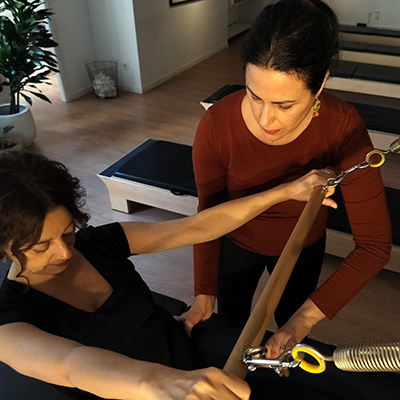
The first consultation is a personalized, comprehensive session (90 minutes) to assess your body, movement patterns, and specific needs.
Client History
We discuss your medical history, injuries, lifestyle habits, and fitness goals to guide your plan.
Postural Assessment
A detailed analysis identifies imbalances and alignment issues.
Range of Motion & Flexibility
We evaluate joint flexibility to identify restrictions.
Balance & Stability
Exercises assess proprioception and stability.
Core Strength Evaluation
We measure core engagement and stability.
Functional Movement Screening
Basic movements help identify compensations.
Breathing Patterns
We ensure efficient diaphragmatic breathing for movement and relaxation.
2. My goals with you
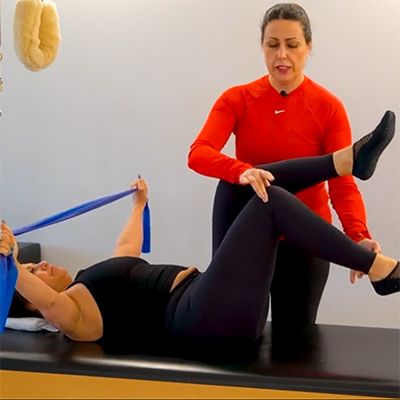
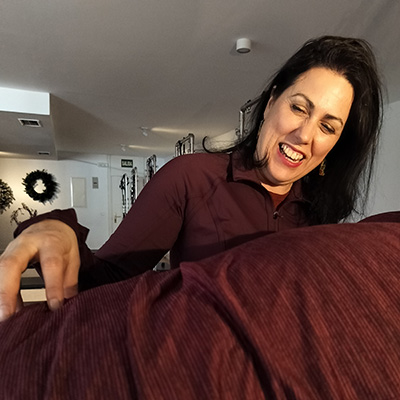
Maria’s Structural Pilates approach is designed to meet each client’s unique needs, with clear goals that ensure measurable progress and lasting results.
Restore Alignment
Correct imbalances, improve posture, and reduce strain.
Build Core Strength
Activate stabilizing muscles, enhance posture, and prevent injury.
Increase Flexibility & Mobility
Improve joint range of motion and ease muscle tightness.
Support Injury Rehab
Aid recovery, prevent re-injury, and safely reintroduce movement.
Enhance Functional Movement
Improve efficiency, coordination, and address compensations.
Reduce Pain
Alleviate chronic discomfort through posture correction and breathing techniques.
Empower with Knowledge
Educate clients and provide tools for self-care and independence.
Promote Mental Well-Being
Reduce stress, improve focus, and foster a mind-body connection.
3. From Corrective to Conditioning
Maria’s Structural Pilates Approach
This program guides clients through three phases: corrective, transition, and conditioning, ensuring comprehensive, long-lasting results.
Corrective Phase
Focuses on restoring alignment, relieving pain, and correcting muscle imbalances through targeted exercises that improve posture, mobility and flexibility.
Transition Phase
Bridges the gap between corrective work and conditioning. This phase enhances coordination, stability, and functional movement, preparing the body for more dynamic exercises.
Conditioning Phase
Strengthens and conditions the body by building core stability, muscular endurance, and overall fitness, boosting performance and preventing injury.